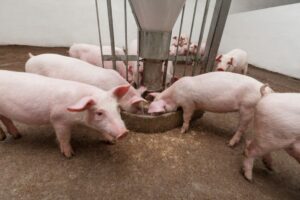


The role of fishmeal in modern animal husbandry
In today’s livestock industry—especially in piglet nutrition—the demand for high-quality, highly digestible protein sources rich in essential amino acids is steadily increasing. For decades, fishmeal has been considered the “golden ingredient” in starter and grower feed formulas. However, not all fishmeal is created equal—its quality can directly impact animal health and productivity.
Outstanding nutritional benefits of fishmeal
- High protein content: 60–72%, depending on the type, and rich in essential amino acids such as lysine and methionine.
- Natural source of Omega-3: Strengthens immunity and enhances piglet resilience.
- High digestibility: Particularly in premium-quality fishmeal, which is gentle on the fragile digestive system of young piglets.
- Palatability: Improves feed intake and supports faster growth.
Fishmeal classification – don’t just look at price
- Domestic fishmeal
- Origin: Vietnam or other Asian countries
- Advantages: Affordable, easy to source
- Limitations: Lower protein content, strong fishy odor
- Premium South American fishmeal
- Origin: Peru, Chile
- Advantages: High protein (70–72%), excellent digestibility, consistent quality
- Limitations: Higher cost, import dependency
- Blended/recycled fishmeal
- Origin: Mixed from multiple low-grade sources
- Advantages: Low price
- Limitations: High risk of contamination, poor nutrition, rapid oxidation
Potential risks of low – quality fishmeal
Low-grade fishmeal can be especially harmful to piglets with immature digestive and immune systems:
- Contamination with harmful microbes (e.g., Salmonella, E. coli).
- Causes diarrhea, digestive disorders, and reduced nutrient absorption.
- Contains oxidized fatty acids, leading to oxidative stress and weakened immunity.
- May include impurities, making the actual nutritional value difficult to control.
Comparison with other protein sources
- Natural fishmeal
- Strengths: Highly digestible, good palatability, rich in Omega-3 and balanced amino acids
- Limitations: Higher price
- Soy protein & other plant-based proteins
- Strengths: Widely available, cost-effective
- Limitations: Lacks certain essential amino acids
- Meat meal, blood meal
- Strengths: High protein, inexpensive
- Limitations: Poor palatability, difficult for piglets to digest
- Protein concentrates
- Strengths: Premium, refined, clean protein
- Limitations: Expensive, limited usage
Conclusion & ingredient selection tips
To maximize diet efficiency for pigs—particularly during the starter and post-weaning phases—feed manufacturers should:
- Prioritize high-quality fishmeal from reliable sources (preferably Peru, Chile).
- Avoid low-cost blended fishmeal with unverified nutritional values.
- Combine fishmeal with other protein sources such as processed soybean, whey, or refined protein concentrates to achieve a balanced diet.
- Consider fishmeal alternatives such as FMR Omega 3, ensuring safety and consistency in piglet feed formulations.
-
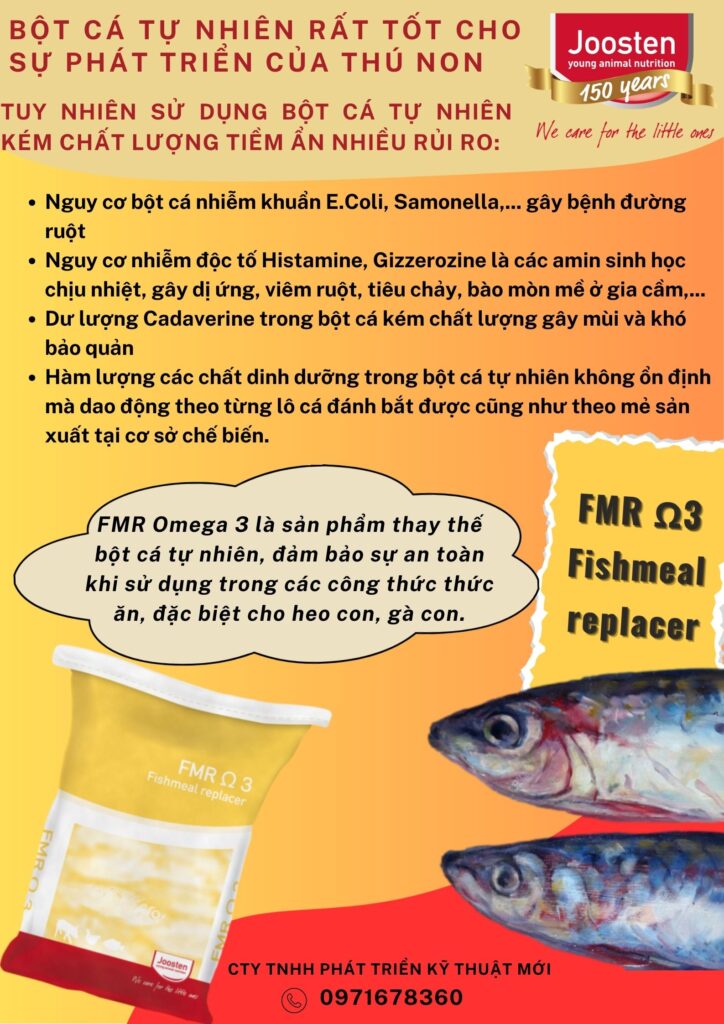
We provide FMR Omega 3 solution as a safe and stable natural fishmeal replacement while still ensuring the superior properties of fishmeal!